

PEMF for Active Everyday Living
A recovery routine you can keep up
Feeling good over the years isn't about pushing harder — it's about recovering better. Many people make PEMF part of their recovery routine, so they feel more rested and find it easier to stay consistent with movement and training.
Promotes mobility and daily comfort
Joint and tissue comfort influences how much you move. Many people use PEMF as part of an everyday mobility routine to feel looser day to day, so walking, training and general activity feel easier.
Easy to fit into your day
Short, regular PEMF sessions slot easily into a morning or evening routine — at home, at your desk or on the sofa. Consistency matters more than long sessions.
Part of a calmer evening routine
Feeling good long term includes time to switch off. Many people use a PEMF session as a quiet moment to unwind after a busy day — a simple part of a calmer evening and a more relaxed wind-down before bed.


What Customers and Others Online Are
Are Saying About Their
PEMF EXPERIENCE!
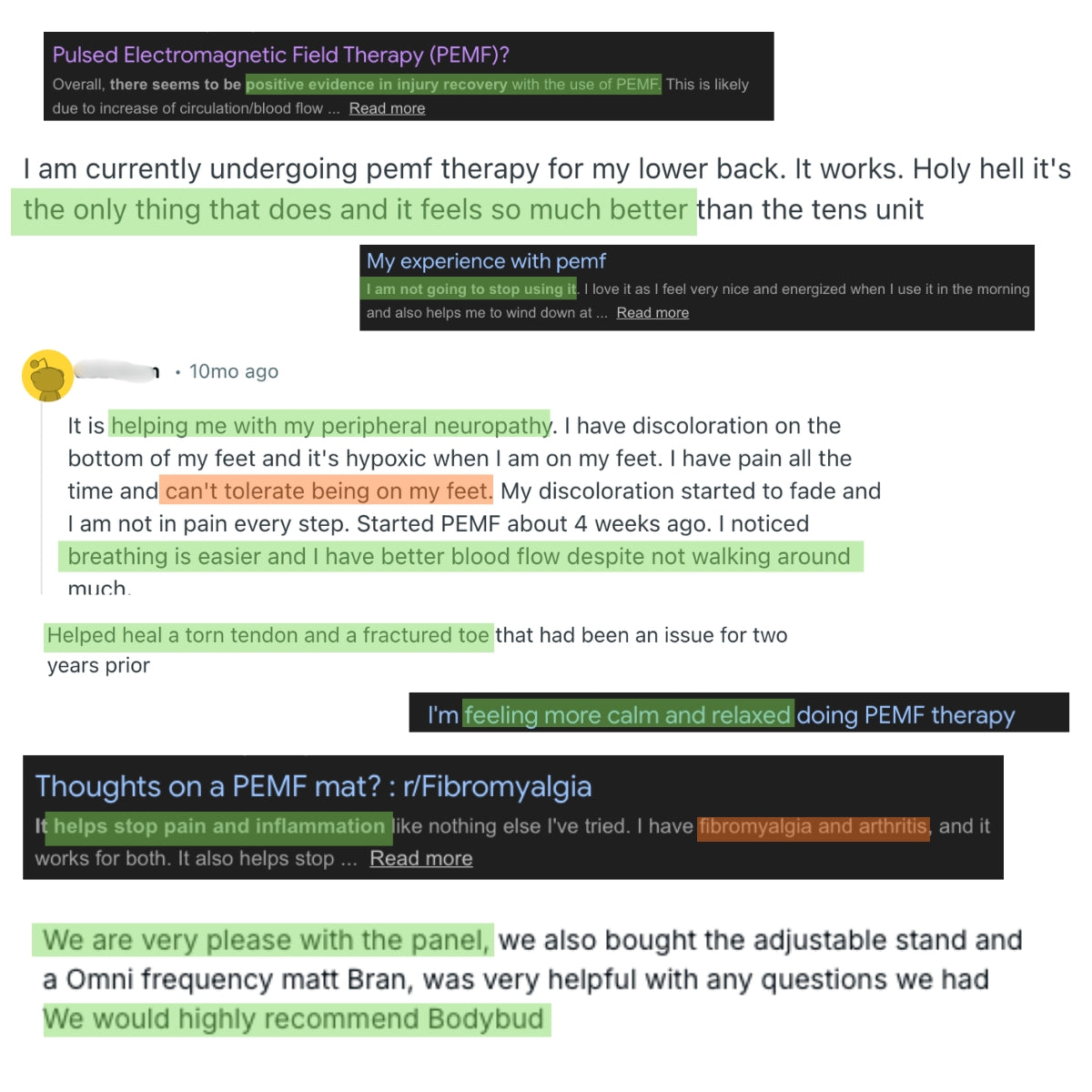
Energy & Everyday Movement

Joint Comfort & Mobility
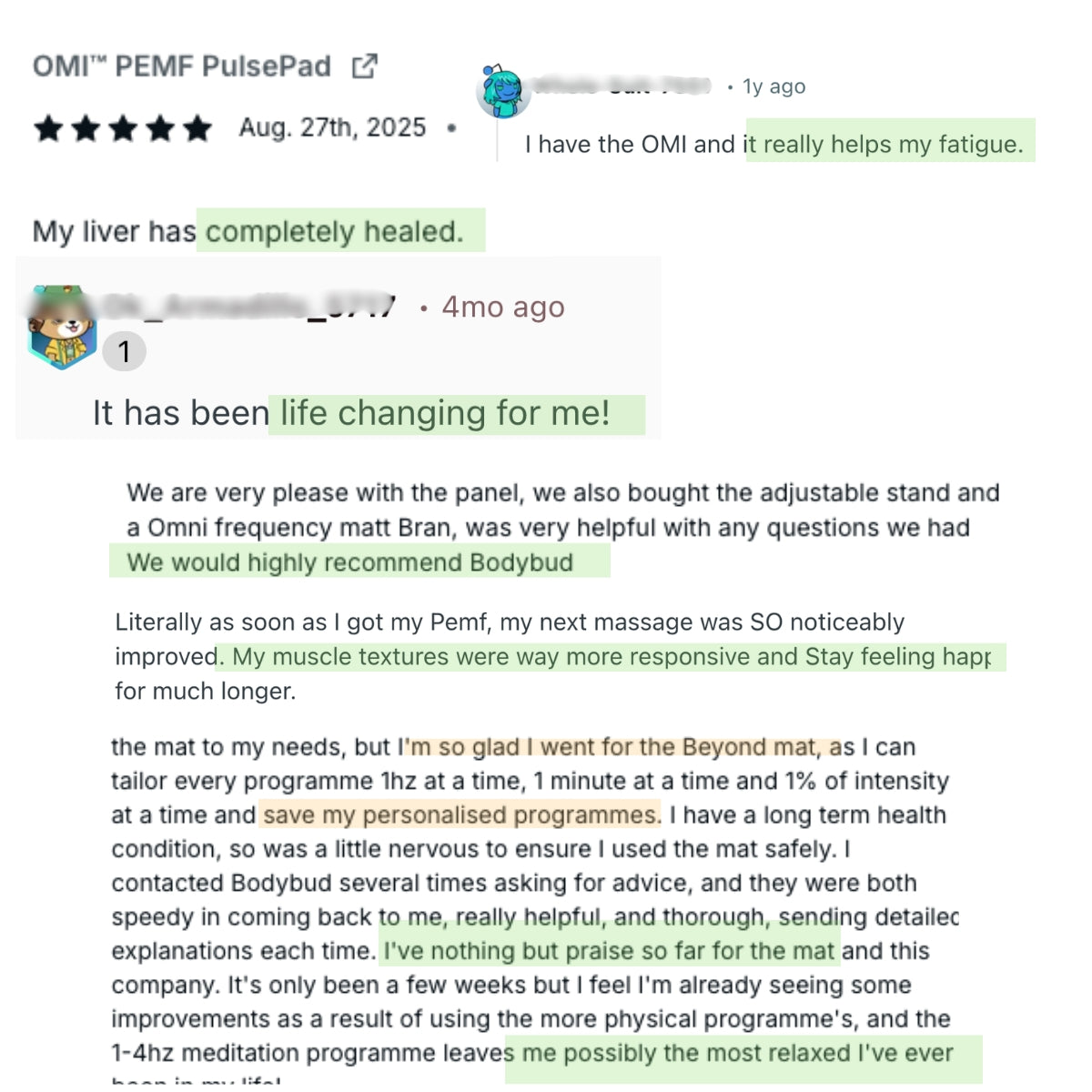
Relaxation & Rest
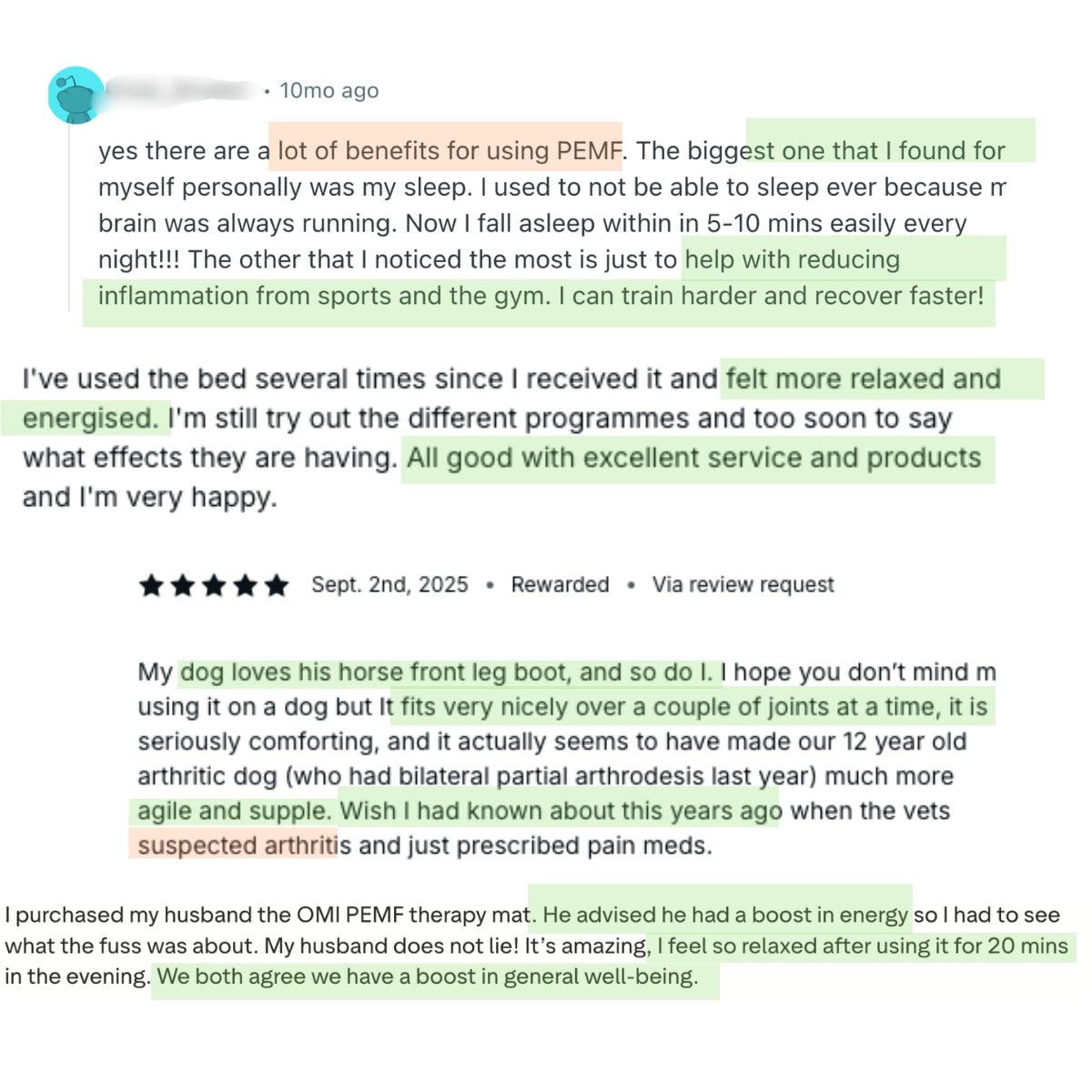
Calm, Comfort & Mobility
Energy & Everyday Movement
Joint Comfort & Mobility
Relaxation & Rest
Calm, Comfort & Mobility
Frequently Asked Questions
Answers to common questions about using PEMF at home as part of a relaxing, everyday wellness routine.
It means looking after the daily habits that keep you moving well over the years: recovery routines, mobility, sleep quality, comfort and a calmer daily rhythm.
PEMF stands for pulsed electromagnetic field. PEMF devices use gentle, low-frequency magnetic pulses and are designed for relaxing, non-invasive sessions at home.
No. Many people use PEMF early as a proactive recovery tool — especially if they train hard, sit a lot, travel often, or feel the effects of stress and poor sleep.
Most people focus on comfort and relaxation: feeling less tight, sleeping more deeply, and recovering better. Those improvements support better movement habits long term.
A steady, repeatable schedule is the goal: short sessions that support relaxation and recovery, with placement rotating through back/hips/legs or full-body use if available.
No. PEMF is used for recovery routines and comfort, which can make it easier to keep up the everyday staples: walking, strength work, mobility and consistent sleep.
Torso/back placement is popular for whole-body relaxation. Hips and legs are also common if your goal is mobility and recovery support.
Related research
A selection of published PEMF research, listed for reference. Study findings relate to the specific devices, settings and groups tested, and do not mean bodybud products diagnose, treat, cure or prevent any condition.
PMID: 33216020 — Cutaneous Blood Flow in Healthy Volunteers
Published study listed for reference only. Search the reference above (PMID or DOI) to read the full paper. Findings apply to the devices, settings and groups used in the study and are not claims about bodybud products, which are wellness devices not intended to diagnose, treat, cure or prevent any disease.
PMID: 25343187 — Microvascular Perfusion and Tissue Oxygenation Study
Published study listed for reference only. Search the reference above (PMID or DOI) to read the full paper. Findings apply to the devices, settings and groups used in the study and are not claims about bodybud products, which are wellness devices not intended to diagnose, treat, cure or prevent any disease.
PMID: 38807301 — Skin Wound Healing Proliferative Phase Study
Published study listed for reference only. Search the reference above (PMID or DOI) to read the full paper. Findings apply to the devices, settings and groups used in the study and are not claims about bodybud products, which are wellness devices not intended to diagnose, treat, cure or prevent any disease.
PMID: 34480781 — Neuroprotection, Oxidative Stress and Inflammation Review
Published study listed for reference only. Search the reference above (PMID or DOI) to read the full paper. Findings apply to the devices, settings and groups used in the study and are not claims about bodybud products, which are wellness devices not intended to diagnose, treat, cure or prevent any disease.
PMID: 37627841 — Magnetic Fields, Oxidative Muscle and Healthspan Review
Published study listed for reference only. Search the reference above (PMID or DOI) to read the full paper. Findings apply to the devices, settings and groups used in the study and are not claims about bodybud products, which are wellness devices not intended to diagnose, treat, cure or prevent any disease.


How to use PEMF therapy
A simple guide to positioning, session frequency, and safe day-to-day use.
Place the mat/pad so it covers the joint and nearby tissues. Start at a comfortable intensity and relax into the session. Keep your setup consistent (same placement, same time) so you can track changes.
- Keep relaxed whilst completing the therapy
- Maybe read a book whilst you do it
- Use the recommended time for your sessions
Suggested routine
- Start with 15–30 mins, 3–5x/week (or 10–20 mins daily if preferred).
- Shorter, regular sessions usually feel better than pushing intensity.
- Notice how you feel over 2–4 weeks and adjust your routine to suit you.
Avoid PEMF (or seek medical guidance)
- if you have an implanted electronic device (e.g., pacemaker), are pregnant, or have contraindications.
- If you feel overstimulated or sleep worsens, reduce intensity/session length.
- Seek medical advice for severe, sudden, or worsening joint pain, swelling, numbness/weakness, or suspected fracture.